Key Takeaways
- Hydroxyapatite is the primary mineral component of human tooth enamel.
- Hydroxyapatite toothpaste may help reduce tooth sensitivity by sealing exposed dentinal tubules.
- HAp supports enamel remineralization through the deposition of calcium and phosphate minerals.
- In addition to sensitivity relief, hydroxyapatite may also contribute to biofilm management and cosmetic whitening.
- Regular use of hydroxyapatite toothpaste may support long-term oral health and enamel protection.
Introduction
Tooth sensitivity, dental caries, and enamel erosion are among the most common oral health issues worldwide. Research indicates that dentin hypersensitivity affects a significant portion of the adult population and can negatively impact daily dietary habits as well as overall quality of life. Humanity has long been actively exploring ingredients that help protect tooth enamel and maintain long-term dental health. Among these, hydroxyapatite (HAp) has garnered considerable attention due to its striking resemblance to the natural mineral composition of human teeth.
Today, hydroxyapatite (HAp) toothpaste has become an increasingly popular topic in both scientific research and modern oral care product development. Scientists have conducted extensive research and discussions regarding its efficacy and mechanisms of action in promoting enamel remineralization, alleviating dentin hypersensitivity, and maintaining overall oral health.
So, what exactly is hydroxyapatite? And how does it help alleviate the problem of tooth sensitivity?
What Is Hydroxyapatite?
Hydroxyapatite (HAp) is a calcium-phosphate mineral naturally present in human bones and teeth, with the chemical formula Ca₁₀(PO₄)₆(OH)₂. In fact, over 95% of the inorganic components in human dental enamel consist of hydroxyapatite; consequently, it is regarded as a vital constituent of the teeth’s natural mineral structure.
It is precisely due to this inherent biocompatibility that hydroxyapatite has garnered increasingly widespread attention within the field of oral care. Unlike many traditional oral care ingredients, hydroxyapatite is not an exogenous chemical additive, but rather a mineral material that bears a striking resemblance to the human teeth themselves. When the tooth surface suffers mineral loss — whether due to acid erosion, abrasion, or daily dietary habits — hydroxyapatite particles can deposit onto the surface and actively participate in the repair process of the tooth’s mineral layer. Furthermore, nano-hydroxyapatite possesses a higher specific surface area and superior surface adhesion capabilities owing to a particle size that closely mimics the crystalline structure of natural enamel. As a result, it demonstrates enhanced efficacy in occluding dentinal tubules and supporting the remineralization of dental enamel.
Today, hydroxyapatite is widely utilized in toothpastes, mouthwashes, dental restorative materials, and various other oral care products. It is recognized as one of the most promising functional materials in the realm of modern oral care.
Why Do Teeth Become Sensitive?
Although the outermost layer of teeth, enamel, is one of the hardest tissues in the human body, it does not contain nerves and therefore does not normally cause pain. However, beneath the enamel lies a layer of tissue known as dentin. This layer is permeated by a vast network of microscopic channels called dentinal tubules, which connect to the dental pulp — a tissue rich in nerves and blood vessels. When these structures are exposed to external stimuli, pain signals are transmitted via the nerves to the brain.
In a healthy state, the enamel and gum tissues effectively shield the dentin, preventing external stimuli from directly affecting the dentinal tubules. However, due to various factors, this natural protective barrier can become compromised. Examples include:
- Excessive brushing force over a prolonged period, leading to gum recession;
- Acidic foods or beverages causing enamel demineralization and erosion;
- Tooth wear, micro-cracks, or other structural damage;
- Localized defects resulting from dental caries (cavities) or faulty dental restorations.
At this time, even common everyday occurrences such as hot or cold food, cold air, sweets, or slight touches can stimulate the flow of fluid inside the dentin and further activate the dental pulp nerves, resulting in a brief but sharp pain.
This phenomenon of pain caused by exposed dentin is known as Dentin Hypersensitivity (DH), and it ranks as one of the most common oral sensitivity issues among adults. Statistics indicate that approximately one-third of adults worldwide suffer from tooth sensitivity to varying degrees, impacting both their daily dietary habits and overall quality of life.[1-3,7]
How Hydroxyapatite Helps Reduce Tooth Sensitivity
The mechanism by which hydroxyapatite (HAp) alleviates tooth sensitivity can be primarily summarized in two aspects: Physical Occlusion and Remineralization.
Physical Occlusion: Sealing Exposed Dentinal Tubules
Tooth sensitivity is typically associated with the exposure of dentinal tubules. When stimuli — such as hot or cold temperatures, air currents, or tactile contact — act upon these exposed tubules, the flow of fluid within them stimulates the nerves in the dental pulp, thereby triggering a brief, sharp pain.
Studies indicate that hydroxyapatite particles found in toothpaste can adhere to exposed dentin surfaces and cover open dentinal tubules. As the brushing process continues, these microscopic particles gradually form a protective mineral layer, thereby reducing fluid flow within the tubules and diminishing the impact of external stimuli on the underlying nerve tissue.
Simply put, hydroxyapatite acts like a “protective cap” for exposed tubules, helping to block the stimulus signals that trigger sensitivity pain.
Remineralization: Supporting Mineral Repair Within the Tubules
In addition to forming a physical barrier, hydroxyapatite also promotes the process of remineralization on the tooth surface.
In acidic environments, some hydroxyapatite particles release calcium ions (Ca²⁺) and phosphate ions (PO₄³⁻). These ions work in conjunction with the mineral components present in saliva to redeposit minerals on the tooth surface and within the dentinal tubules, thereby facilitating the formation of new hydroxyapatite crystals.
As mineral deposition continues, the dentinal tubules are not only sealed by surface particles but may also develop mineralized structures at deeper levels, thereby enhancing the long-term efficacy of the seal. This “outside-in” mineral repair process helps to bolster the tooth’s resistance to acid erosion and external stimuli.
A Dual-Action Approach to Sensitivity Relief
Unlike certain ingredients that alleviate sensitivity solely by temporarily blocking nerve signals, hydroxyapatite combines two distinct mechanisms of action: immediate physical occlusion and long-term mineral repair. Through the consistent use of HAp-containing toothpaste during daily brushing, a stable mineral protective layer can be gradually established, helping to alleviate issues related to dentin sensitivity.[1-3,7,8]
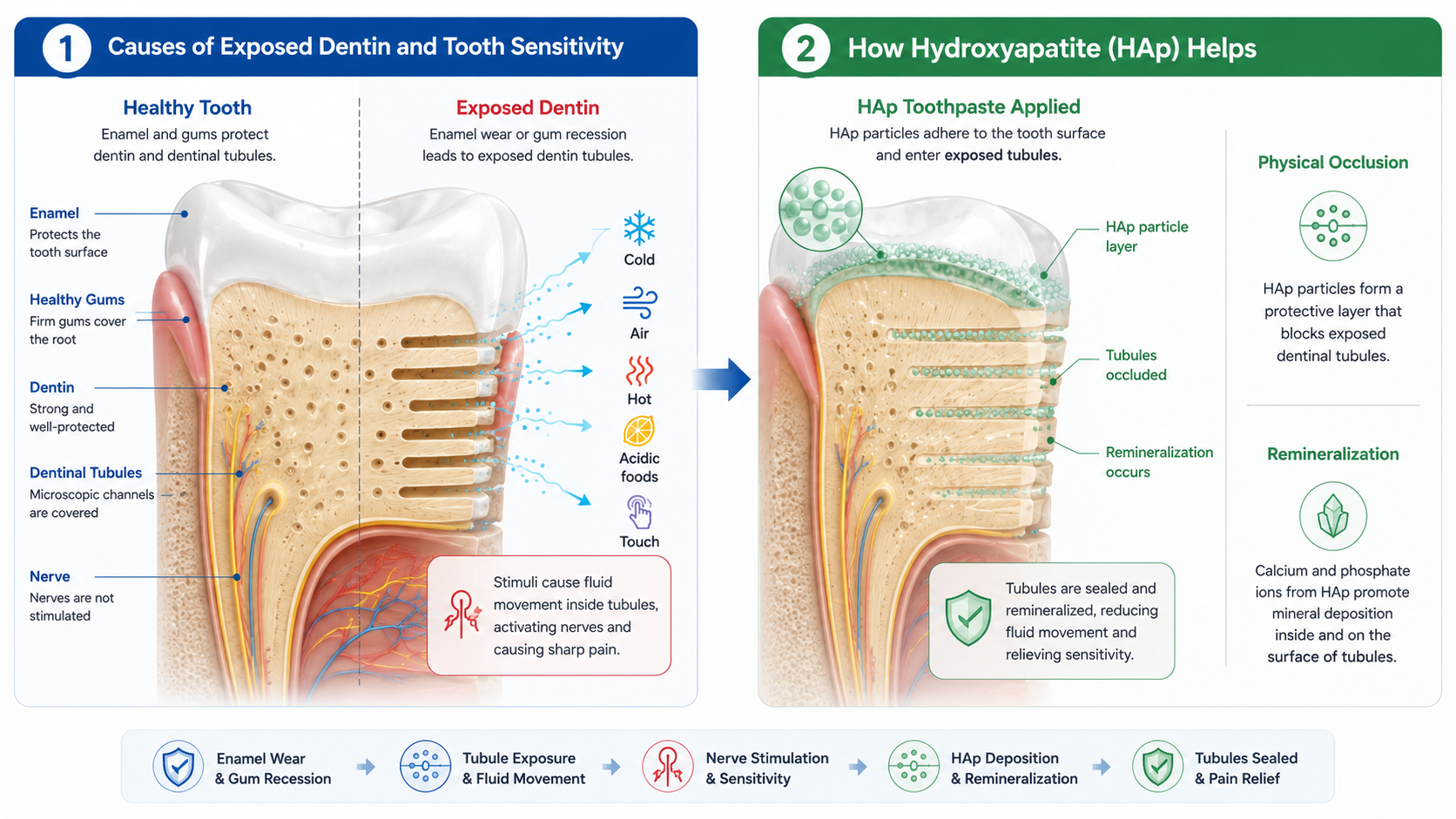
Figure 1. How Hydroxyapatite Helps Reduce Tooth Sensitivity Through Tubule Occlusion and Remineralization
Hydroxyapatite particles can adhere to exposed dentin surfaces, seal open dentinal tubules, and promote remineralization through calcium and phosphate deposition, thereby helping reduce tooth sensitivity.
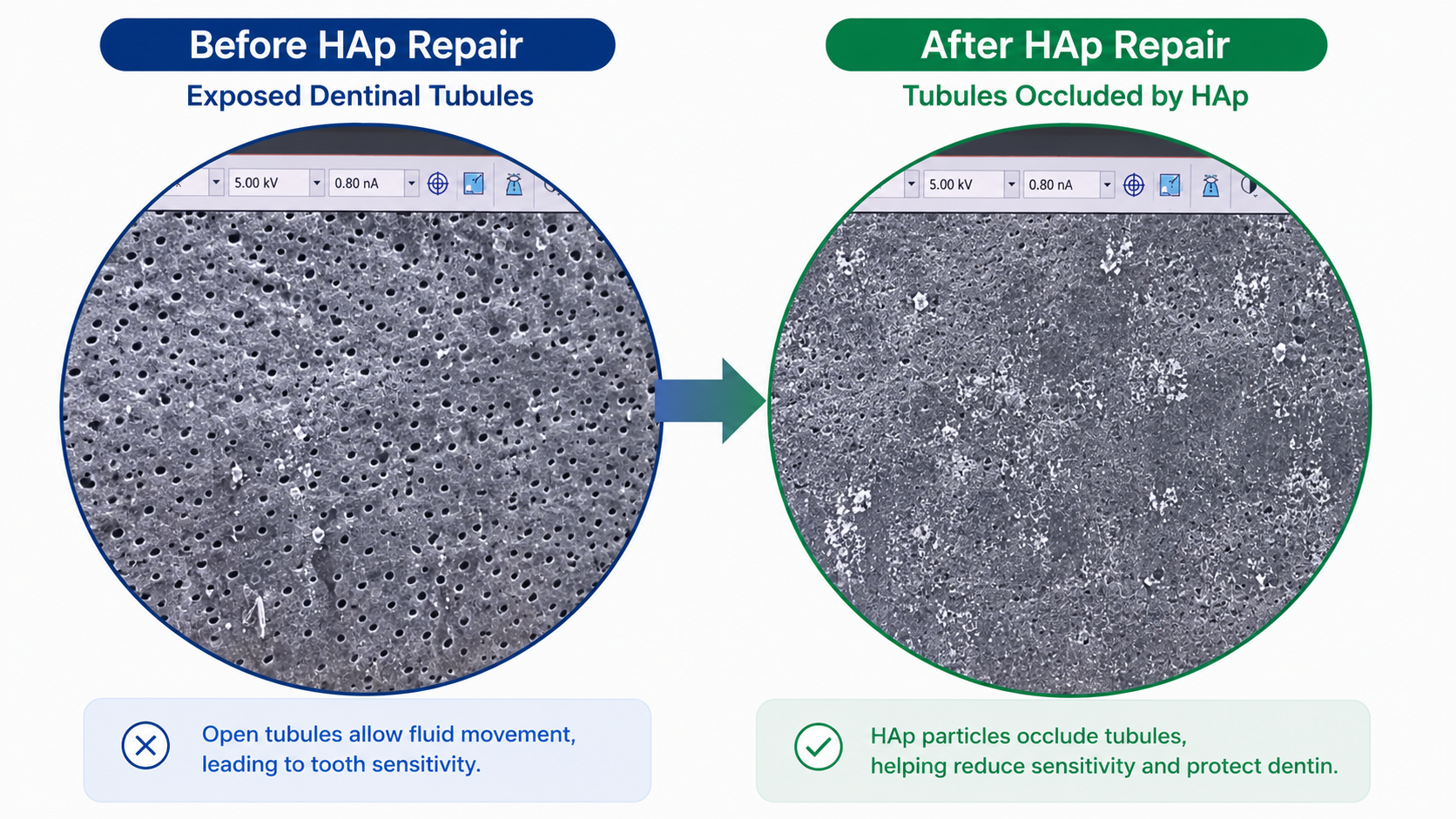
Figure 2. SEM Evidence of Dentinal Tubule Occlusion by Hydroxyapatite
Scanning electron microscopy (SEM) images demonstrating dentinal tubule occlusion following hydroxyapatite treatment. Compared with the untreated surface (left), the HAp-treated surface (right) exhibits substantial reduction in open dentinal tubules, supporting the mechanism of sensitivity relief.
Additional Benefits of Hydroxyapatite in Toothpaste
While hydroxyapatite is best known for supporting enamel remineralization and reducing dentin hypersensitivity, recent studies suggest that its benefits may extend beyond these functions. Research has shown that hydroxyapatite-containing oral care products may also contribute to oral biofilm management and improve the visual appearance of teeth through a gentle whitening effect.
1. Supporting Oral Biofilm Management
Dental plaque, also known as oral biofilm, is a complex community of microorganisms that naturally forms on tooth surfaces. If not properly controlled, biofilm accumulation can contribute to dental caries, gingivitis, and other oral health concerns.
Unlike traditional antimicrobial ingredients that work by killing bacteria, hydroxyapatite appears to function through a different mechanism. Studies suggest that hydroxyapatite particles can reduce bacterial adhesion to tooth surfaces, making it more difficult for biofilm to establish and mature. This anti-adhesive effect may help maintain a healthier oral environment while preserving the natural balance of the oral microbiome.
This biomimetic approach is particularly interesting because it focuses on preventing bacterial attachment rather than eliminating bacteria altogether, which may support long-term oral health without relying on strong antibacterial agents.[5,6]
2. Promoting a Naturally Whiter Appearance
Hydroxyapatite has also attracted attention as an ingredient for cosmetic oral care applications.
Unlike peroxide-based whitening systems that chemically bleach tooth pigments, hydroxyapatite helps improve tooth appearance through a physical and biomimetic process. As hydroxyapatite particles deposit onto the enamel surface, they can fill microscopic surface irregularities and create a smoother, more uniform mineral layer. A smoother enamel surface reflects light more evenly, which may contribute to a brighter and cleaner appearance.
In addition, the white color of hydroxyapatite itself can enhance tooth brightness by forming a thin mineral coating on the tooth surface. Because this process is associated with mineral repair rather than chemical bleaching, hydroxyapatite-based toothpastes are often considered a gentler alternative for individuals seeking whitening benefits while maintaining enamel health.[4,6]
The unique combination of remineralization, sensitivity relief, biofilm management, and cosmetic whitening makes hydroxyapatite one of the most versatile ingredients currently used in modern oral care formulations. Its biomimetic nature and close similarity to natural tooth mineral continue to drive growing interest in hydroxyapatite toothpaste and other advanced oral care materials.
Frequently Asked Questions
Is hydroxyapatite toothpaste safe for daily use?
Extensive research and numerous commercial products have demonstrated that hydroxyapatite possesses excellent biocompatibility, as it is a natural mineral component found in human teeth and bones. Consequently, hydroxyapatite-containing toothpastes are generally suitable for daily oral care.
How long does it take for hydroxyapatite toothpaste to reduce tooth sensitivity?
Results vary depending on individual circumstances. For mild dentin sensitivity, some users may experience improvement after consistent use ranging from a few days to several weeks. Since hydroxyapatite primarily functions by occluding dentinal tubules and promoting mineral deposition, consistent and regular use is typically required to achieve more stable and lasting results.
Is nano-hydroxyapatite better than conventional hydroxyapatite?
Nano-hydroxyapatite has garnered significant attention regarding remineralization and dentinal tubule occlusion, largely because its particle size closely resembles that of natural enamel crystals, resulting in a higher specific surface area and superior surface adhesion capabilities. However, hydroxyapatite particles of different sizes may be suited for different formulations and applications; the actual efficacy ultimately depends on factors such as particle morphology, concentration, and the overall product formulation design.
Can hydroxyapatite toothpaste replace fluoride toothpaste?
The comparative analysis of hydroxyapatite versus fluoride remains a key area of ongoing research within the field of oral care. Some studies indicate that hydroxyapatite supports enamel remineralization and helps reduce tooth sensitivity, whereas fluoride has long been utilized for the prevention of dental caries. As the mechanisms of action for these two substances are not entirely identical, the question of whether one can completely replace the other requires evaluation based on specific application contexts and product formulations.
Can children use hydroxyapatite toothpaste?
Hydroxyapatite is a naturally occurring mineral found in human teeth and bones. Many commercially available hydroxyapatite toothpastes are formulated for family use. However, consumers should always follow the manufacturer’s usage instructions and consult dental professionals when selecting oral care products for young children.
About Vita Spire
Vita Spire is a supplier of high-purity hydroxyapatite materials for oral care, biomedical, and medical aesthetic applications. Our materials support oral care manufacturers, R&D teams, and brand owners developing next-generation hydroxyapatite toothpaste and remineralization products.
Our hydroxyapatite materials are produced under ISO 13485-certified quality management systems, ensuring consistent quality, excellent batch-to-batch reproducibility, and scalable production capacity.
We offer a wide range of particle sizes and custom specifications suitable for toothpaste formulations, enamel remineralization products, sensitive teeth applications, and other advanced oral care solutions.
Contact our team to discuss technical requirements, request samples, or learn more about customized material solutions.
Scientific References
Clinical Evidence & Reviews
- Meyer F., Enax J., Limeback H. The Remineralizing and Desensitizing Potential of Hydroxyapatite in Dentistry. 2025.
- Pushpalatha C., et al. Nanohydroxyapatite in Dentistry: A Comprehensive Review. Saudi Dental Journal, 2023.
- Limeback H., Enax J., Meyer F. Clinical Evidence of Biomimetic Hydroxyapatite in Oral Care Products for Reducing Dentin Hypersensitivity. Biomimetics, 2023.
Oral Care Applications
- Limeback H., Meyer F., Enax J. Tooth Whitening with Hydroxyapatite: A Systematic Review. Dentistry Journal, 2023.
- Enax J., Amaechi B.T., Meyer F., et al. Preventing Oral Diseases with Biomimetic Hydroxyapatite. Decisions in Dentistry, 2022.
- Chen L., Al-Bayatee S., Khurshid Z., et al. Hydroxyapatite in Oral Care Products — A Review. Materials, 2021.
Biomaterial Background
- Dorozhkin S.V. Hydroxyapatite as a Biomaterial — A Gift That Keeps on Giving. Materials, 2021.
- Limeback H., Enax J., Meyer F. Biomimetic Hydroxyapatite and Caries Prevention. Canadian Journal of Dental Hygiene, 2021.